Reactive Ordering Is Draining Your Margins. Try This Instead…
It starts with a scramble.
One part goes missing. Then another. The team is rushing to source replacements while your planner’s stuck in an ordering spiral. Sound familiar?
Reactive ordering might feel like a short-term fix, but over time, it’s a long-term liability.
When your operation is constantly putting out fires, you’re not managing inventory, you’re just holding it.
Reactive Inventory = Hidden Costs
Of course, emergencies happen. A custom job, an urgent prototype, a spike in demand. But if panic-purchasing has become a process, something deeper is wrong.
The cost =
- Missed deadlines
- Bloated inventory
- Wasted spend
- Eroded confidence
And while you’re busy reacting, your competitors who run proactive systems with real-time control are moving full steam ahead.
What a Real Inventory Strategy Looks Like
A well-run supply chain isn’t reactive. It’s engineered.
✅ Stock is held only as needed
✅ Reordering happens before it’s too late BUT just-in-time
✅ Visibility is instant, not “someone let me know”
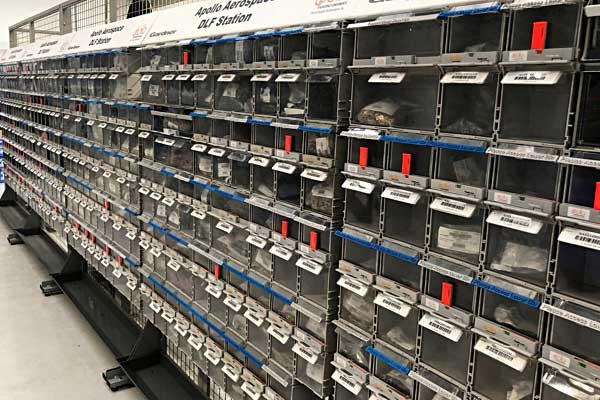
Kanban-style systems, especially those built around demand-driven triggers, take the guesswork out. Tools like TwinBin Live give teams real-time notifications the second reserve stock is touched so orders are placed proactively, not as a panic move.

Goodbye to Guesswork
True visibility isn’t a spreadsheet or a chat across the shop floor. It’s baked into your process:
- Coloured stock indicators signal low inventory

- Flags make shortages impossible to ignore
- Cloud alerts sync procurement with operations instantly
Every team member knows what to expect, what to do, and when to act.
Proactivity Protects Margins
Every minute spent reacting is a minute lost producing. Every pound tied up in “just in case” stock is capital you can’t use elsewhere.
Switching to a proactive inventory model isn’t just about better stock, it’s about better business.